Test News
Date:
le Mercredi 14 Août 2013
An example of an external link:

An example of an external link:
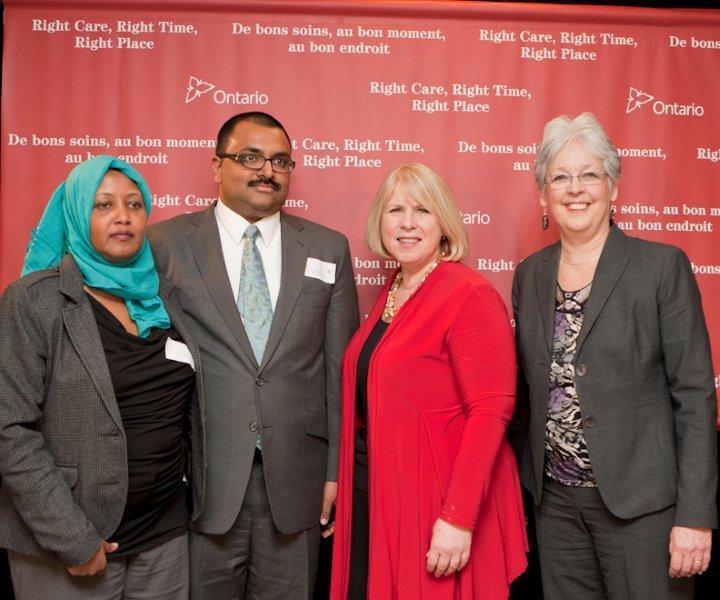
TORONTO – April 3, 2013 - Today’s announcement from the provincial government, that it is making new investments in 17 capital projects for Ontario’s Community Health Centres (CHCs) and Aboriginal Health Access Centres (AHACs), means thousands more people will have access to a primary health care models that improve health, reduce health disparities and ease the pressures on the rest of the our health system. “CHCs and AHACs keep people –and the communities where they live– healthy and strong,” said Adrianna Tetley, Executive Director of Association of Ontario Health Centres which represents 105 community-governed primary health care organizations throughout the province. “The investment being made today will yield a very high return tomorrow, preventing larger amounts of money being spent on sickness treatment and care.” Tetley also noted that because CHCs and AHACs focus on populations whose health is most at risk: “This is also an investment in the fairer society Premier Wynne has promised us.” Tetley was speaking at an event at the Jamestown Hub, a satellite of the Rexdale CHC, one of 13 CHCs sites that now have the capital dollars to upgrade and expand their facilities. Other announcements of capital projects are happening today at Niagara Falls CHC and Quest CHC in St. Catharines. CHC stand out from other models of primary care because medical services are delivered under the same roof as health promotion and community development services. And because they address the social determinant of health, they are especially effective serving populations which have traditionally faced barriers accessing health services. AOHC also applauded the government announcement today that it will invest in upgrading and expanding facilities at four AHACs throughout the province. AHACs provide a combination of traditional healing, primary care, cultural programs, health promotion programs, community development initiatives, and social support services to First Nations, Métis and Inuit communities. “Both AHACs and CHCs can play a huge role in enabling the province’s new action plan to make Ontario the healthiest place to grow up and grow old,” said Tetley. “We hope this is just the beginning of a series of steps to expand access to community-governed models that do such a good job promoting the best possible health and wellbeing for everyone.” For more information on CHCs click here. Centres announced as of May 22, 2013 Rexdale CHC - Jamestown satellite Belleville Quinte West CHC - Trenton satellite CSC Chigamik CHC City of Kawartha Lakes CHC Gateway CHC Gizhewaadiziwin AHAC Niagara Falls CHC Noojmowin Teg AHAC Norwest CHC Quest CHC Rexdale CHC - Kipling Dixon satellite Sault Area Hospital Residential Withdrawal Management Services South Georgian Bay CHC South Riverdale CHC Southwest Ontario AHAC Waasegiizhig Nanaandawe'lyewigamig AHAC Woodstock and Area CHC
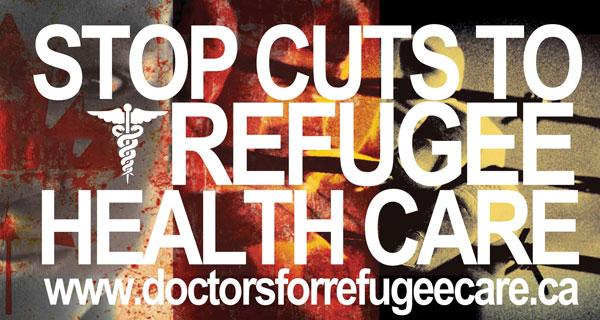
On this National Day of Action for Refugee Health, the Association of Ontario Health Centres (AOHC) appeals to the Federal Government to reinstate the refugee healthcare coverage provided by the Interim Federal Health program.
AOHC stands along with Canadian Doctors for Refugee Care, Health for All and other concerned organizations and Canadians calling on the government to stop the cuts to refugee health. The Association represents Ontario’s 75 Community Health Centres (CHCs), who are the only primary health care providers funded by the provincial government to serve uninsured people living Ontario. Refugees come for a variety of issues, including screenings, tests, immunizations, prescriptions, referrals, settlement issues, health advice and a high percentage of patients come for pregnancy related issues, pain and respiratory concerns. Frontline providers in CHC’s report that the removal of the Interim Federal Health program has had a very serious impact. Community Health Centres are seeing increasing numbers of refugees with intensified pressure to address the health care services no longer covered by the federal government. “The cuts to refugee health have had a devastating effect,” says Dr. Michael C. Stephenson, a General Practitioner with Access Alliance Multicultural Health and Community Services.
“These are people who are in Canada legally, and are escaping persecution, torture and trauma. I have personally heard from many refugees who were denied health care in emergency situations. This is unacceptable and fundamentally un-Canadian.” The lack of coverage adds to the other challenges refugees face, such as lack of adequate housing, economic insecurity and the psychological problems caused by displacement from their home country. “The unique circumstance of the refugee experience creates special health care considerations,” says Adrianna Tetley, Executive Director, AOHC. “Denying health coverage could lead to potentially dangerous health outcomes, increased long term costs, and also contradicts the commitment to humanitarianism understood by welcoming refugees in the first place. The changes are irresponsible. Cuts to life-sustaining medication and treatment can never be justified.” AOHC calls on the federal government to stop the cuts to refugee health coverage. Preventative healthcare is both more humane and more economical than remedial healthcare. Until the federal government reinstates the program, AOHC urges the provincial government to fill gap and ensure funding for refugee health services.
A man with known coronary artery disease who needed an urgent angiogram but couldn’t afford to pay for the procedure.
A pregnant woman who was denied care at a Toronto based hospital. They wanted her to put down a deposit of $1700 before they would see her. She couldn't afford it. The IFH would have covered her visits.
A 5 year old child who was denied care at a walk-in clinic when she had a prolonged high fever. The parents were told to pay. IFH would have covered her visit.
A man who was shot in his country of origin days before he left. He couldn't get follow up care by a specialist for 6 weeks after arrival because Canadian Immigration Canada wouldn't issue him Interim Federal Health coverage.
The Association of Ontario Health Centres aims for the best possible health and well-being for everyone living in Ontario. AOHC looks towards a future without systemic barriers that prevent people from reaching their full health potential, where everyone can make the choices that allow them to live a fulfilling life. A future in which individuals, families and communities are served by, and are able to actively participate in, trusted healthcare systems that respond to people's and communities' needs in coordinated and comprehensive ways.