
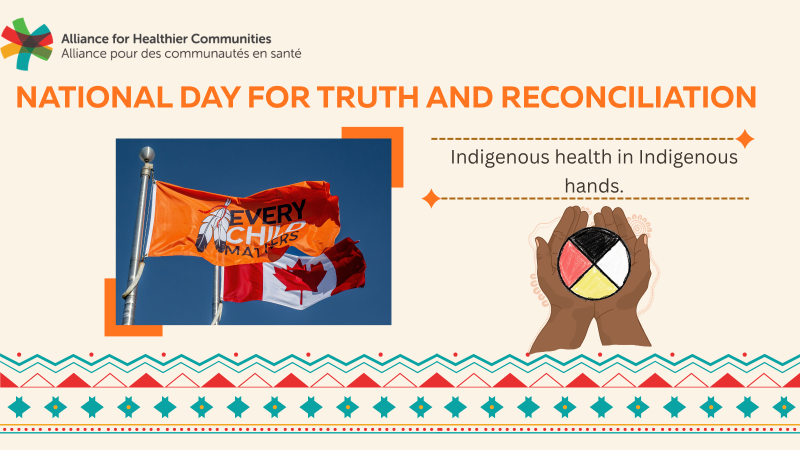
On Truth and Reconciliation Day on September 30, also known as Orange Shirt Day, we honour the stories and histories of Indigenous children, their families and communities who were impacted by Indian Residential Schools.
Orange Shirt Day is a grassroots day to remember and honour the story of Indian Residential School Survivor Phyllis Webstad, and all the other children who were taken from their homes and families and who survived Indian Residential Schools. We also remember those children who did not survive the colonial practices that lasted generations.
In Ontario, the Mohawk Institute Indian Residential School in Brantford was the last to close. It was Canada’s longest running and largest of its kind, and it operated from 1828 to June 1970. It is now a museum and educational site transformed by the Woodland Cultural Centre.
There were 18 federally recognized Indian Residential Schools in Ontario. Across Ontario, there are communities, indigenous communities and settler communities living with the impacts and effects of the traumatic government policy to assimilate Indigenous children.
In the Alliance for Healthier Communities’ Health Equity Charter, that we and our members believe in and endorse, "we recognize that the effects of more than five centuries of colonization, including genocide, dispossession and displacement from traditional lands, forced assimilation and disengagement from ancestry, culture and language, residential schools and the Sixties Scoop, the Indian Act, among many other oppressive colonial policies, practices and legislation, have resulted in disproportionately poor health outcomes for Indigenous people across Canada."
It is critical for us to know and acknowledge the history and the current realities of Indigenous people in Ontario in order to be meaningfully engaged in allyship and reconciliation. The Truth and Reconciliation Commission and the 94 Calls to Action, outline that there is much work to do to address the intergenerational harms and lasting effects of colonial policies. In healthcare, we are committed to answering the call to action from Indigenous communities for "Indigenous health in Indigenous hands."
From our Health Equity Charter, we describe this approach as "our work of advancing Indigenous health equity is rooted in our commitment to reconciliation, meaningful allyship relationships and Indigenous people’s rights to self-determination, which includes our commitment to Indigenous Health in Indigenous Hands. It starts with the recognition and realization of the individual and collective rights of Indigenous people."
As the Alliance, we continue to work with the Indigenous Primary Health Care Council (IPHCC) and in joint membership with Indigenous Primary Health Care Organizations. This is just one way we are advancing and advocating for “Indigenous Health in Indigenous Hands”. This is critical to sustainability, self governance, wellbeing, and healing.
For more information on the incredible work of IPHCC, visit their website.