PRIDE 2020: Addressing isolation in the community and reminders of roots in resistance
Pride 2020 has, not surprisingly, been unfolding unlike any other Pride celebration in history. Events moved to online platforms; celebrations, campaigns, gatherings and even Pride Toronto's large events have gone virtual; parades are still happening (at the neighbourhood scale), with physical distancing measures; and the roots of Pride, founded in the resistance of racialized transgendered people against police violence, are reinforced by current protests and resistance to anti-Black and anti-Indigenous racism, and state-sanctioned violence. In a time when isolation risks are high for everyone, but especially for LGBTQ+ and Two Spirit people at risk of re-closeting, the role of community is paramount. Across the province, Alliance members and their staff and volunteers continue to adapt to the realities of supporting LGBTQ2S communities during COVID-19, finding ways to address barriers to health and wellbeing.
“We’ve been hearing that it’s been pretty hard on youth, and people living in less supportive environments,” says Stephanie Vail, a community health worker at Quest Community Health Centre in St. Catharines. Vail works with LGBTQ2S as part of Quest’s Rainbow Niagara LGBTQ+ program serving people across Niagara Region. “But it’s hard for people of all ages being home this much. The LGBTQ community can feel isolated in general, and COVID-19 amplifies that sense of isolation and not being connected to their peers.”
Vail provides individual support for people 12 years of age and up around sexual identity and gender identity, and is continuing to offer phone counselling and Zoom appointments to Quest’s clients. “I’ve been doing a lot of checking in with people and seeing how their mental health is, and how they’re staying connected to people.”
 She also notes that Quest CHC is still seeing people in person for care, including through Quest’s award-winning Rainbow Niagara program, as well as continuing peer support groups virtually. “Trans people who require injections for hormones, that’s still happening. For those taking hormone blockers, that’s still happening. But we’re trying to do as much as possible over the phone, or video.”
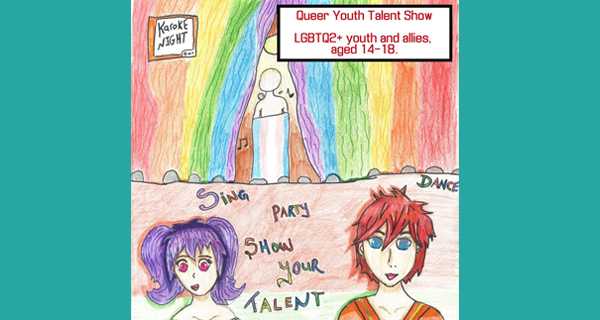
While working on the annual Pride Prom for youth in Niagara back in March, the planning committee had to quickly pivot. In conjunction with Niagara Falls Community Health Centre, staff and volunteers instead planned for a virtual Pride Talent Show, taking privacy and security concerns into consideration for a show of pre-recorded talent videos accompanied by a live online Zoom chat between participants.
That kind of approach to technology and finding ways to keep people connected is essential work for LGBTQ2S communities right now, says Cliff Ledwos, chair of the Alliance's Rainbow Communities Advisory Committee, and Associate Executive Director at Access Alliance Multicultural Health and Community Services in Toronto.
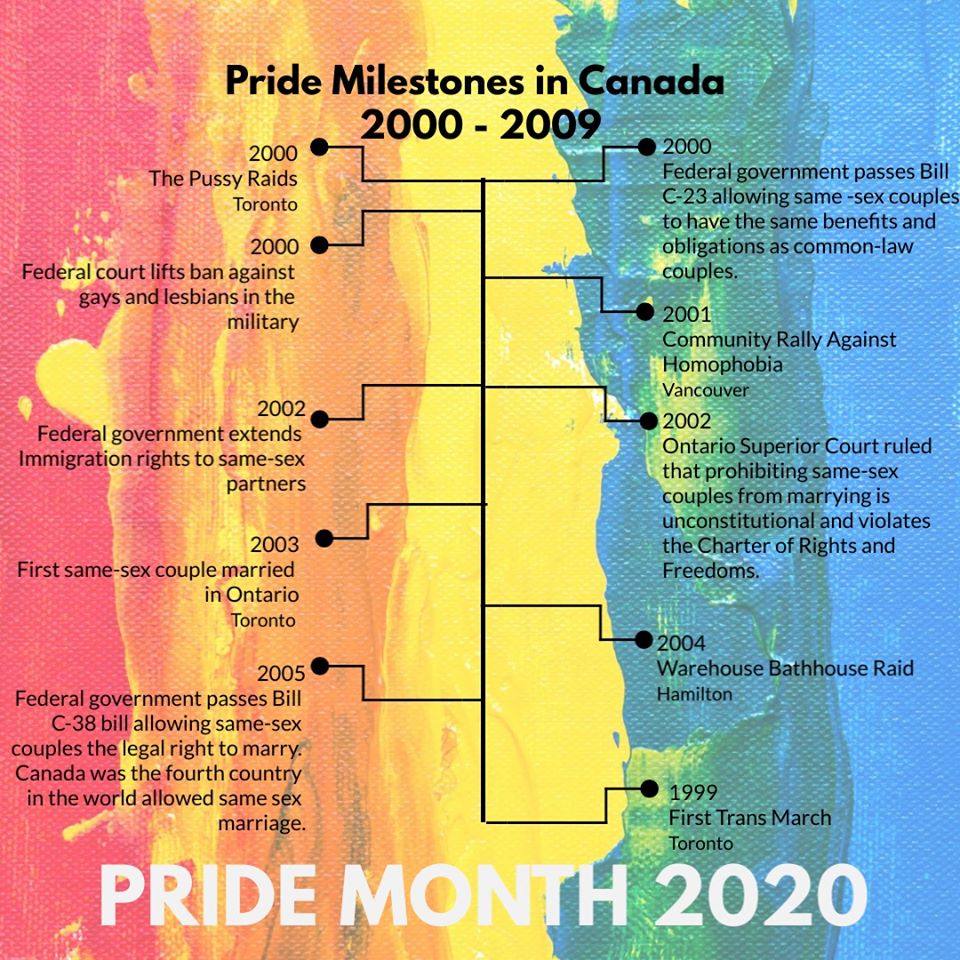
“Bars, restaurants, bathhouses are closed, services and agencies are shut down – all of those places that this community uses to meet people and to be able to interact with other people in the LGBTQ community are unavailable. Add in the requirement to self-isolate at home, and you’ve got a real increased risk of people being shoved back into the closet,” Ledwos says. “The silver lining is that we have technology available, and it allows us to stay connected. It allows agencies and organizations to stay open and in contact with people who are vulnerable. Mature use of this technology to maintain social ties and connections is critically important during COVID-19 for everybody. For LGBTQ communities, it’s life-saving.”[[{"fid":"2775","view_mode":"media_link","fields":{"format":"media_link","alignment":"right","field_file_image_alt_text[und][0][value]":"Pride History","field_file_image_title_text[und][0][value]":false},"link_text":null,"type":"media","field_deltas":{"3":{"format":"media_link","alignment":"right","field_file_image_alt_text[und][0][value]":"Pride History","field_file_image_title_text[und][0][value]":false}},"attributes":{"alt":"Pride History","height":248,"width":248,"style":"border-image-outset: 0; border-image-repeat: stretch; border-image-slice: 100%; border-image-source: none; border-image-width: 1; color: #000000; cursor: default; float: right; font-family: \\\" lucida grande","lucida sans unicode",sans-serif; font-size: 13px; font-style: normal; font-variant: normal; font-weight: 400; letter-spacing: normal; margin-bottom: 0px; margin-left: 20px; margin-right: 0px; margin-top: 0px; orphans: 2; text-align: right; text-decoration: none; text-indent: 0px; text-transform: none; vertical-align: baseline; -webkit-text-stroke-width: 0px; white-space: normal; word-spacing: 0px; border-width: 0px; border-color: currentColor; border-style: none; padding: 0px;","class":"media-element file-media-link media-wysiwyg-align-right","data-delta":"3"}}]]

While Pride 2020 is highlighting creative ways people and providers are staying connected during COVID-19, Ledwos points to the intersections of recent protests and resistance against anti-Black racism and police violence with Pride’s historical roots in resistance as a key theme this year.
“In terms of the LGBTQ community, it was Black transgendered people who were among the first people to stand up and say this is not acceptable,” Ledwos says. “Some members of the community, such as the trans community, still continue to experience state-sanctioned violence and oppression in more immediate ways today. We also see this in the intersectionalities in the LGBTQ+ and Two-Spirit communities. Some parts of the LGBTQ community still feels a lot of the burden, stress, pressure of systemic oppression and violence. That’s why Pride directly relates to Black Lives Matter. It’s important for people in the LGBTQ community, Black community, among women, and among other communities who’ve been excluded to take a really active role in defining what the future needs to look like, not just what it could look like.”
One of the key changes Ledwos and other health leaders say needs to change is the data collected in health care to help identify needs and support health equity for LGBTQ2S and other marginalized populations.
“Collecting data that’s about who people are and who LGBTQ people are, means that they have a voice at the decision-making table,” he says. “When data is collected for the right reasons and with care in the right ways, when it’s meaningful, and when there’s depth to it, the community being captured in that data has a voice from it,” he says.
For Vail, changing the system means that continuing her work of training social services, schools and medical providers in trans health care and LGBTQ2S health issues is vital.
“I did my first training session for other professionals via Zoom last month. That’s really important work and we need to continue it,” she says. “We need to look systemically at education for primary care providers on trans care, and also LGBTQ culturally safe practices in health care, across the board.”
Pride 2020 will be remembered in many different ways. For Ledwos, it’s importantly a time to consider the work still to be done.
“Pride needs to be both a celebration for the victories that have happened, for the changes that have happened, for the freedoms that society has, often grudgingly, given. But also it needs to continue to be an active resistance because the fight isn’t over.”

[All images in this post courtesy Rainbow Niagara/Quest CHC]