By Sofia Ramirez
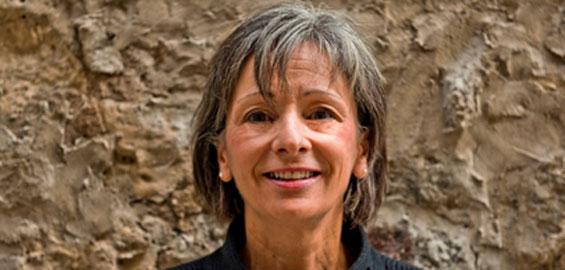
Nurse Practitioner Paula Carere takes her role as trailblazer quite seriously. At the break of dawn, during one of the coldest winters on record, you’ll frequently find her on her cross-country skis and ready to hit the trails.
Paula shows the same discipline and determination in her profession. Since 1998 – the year the legislation was passed creating the role – she’s played a pivotal role integrating the Nurse Practitioner role into the fabric of Ontario’s health system and advocating for expanded access to Nurse-Practitioner-led clinics. Not a small feat. Today, Ontario has 25 NPLCs, one of which is in Waterloo where Paula serves as clinical director.
Because of her efforts integrating Nurse Practitioners into Ontario’s health system, Paula recently received one of the most prestigious awards given by the Nurse Practitioners Association of Ontario (NPAO), the Jerry Gerow Leadership Award, named in honour one of the professions pioneers.
“Jerry wanted to make sure the health system could take full advantage of the Nurse Practitioner position," says Paula. "She was fierce advocate who made a real difference. So it was such an honour to receive the award from her in person.”
Like Jerry, Paula has pushed herself to make a difference. With both parents in medical professions, Paula’s career path sprang up quite naturally; her mother, a nurse and her father, one of the first cardiologists in the Waterloo region. Both were committed to their professional practice and her father was deeply involved in health advocacy work, which is a passion Paula carries on as well.
After graduating from the University of Ottawa with a Bachelor of Science in Nursing, Paula worked in ICU settings and acute care; which, she admits, had an alluring side. “Acute and critical care is glamorous. It’s a high technology environment with lots of shiny toys and gadgets and a fast pace that requires quick thinking. But eventually, the big questions arise: how did these people get here? And why are they here?”
Pursuing the answers to these questions pushed Paula to further her career and to shift to a more preventative approach to health and healthcare. “If you really want to care for people, if you really want our communities to achieve all they can, we shouldn’t be waiting until people get sick,” she says. “We should be looking at root causes and the determinants of health.”
With a renewed perspective, Paula began her NP career as the Primary Care Nurse Practitioner at Langs Farm Community Health Centre, one of 75 CHCs throughout the province. The CHC Model of Health & Wellbeing is closely aligned with Nurse Practitioner’s philosophical approach to primary care. It takes a person-centred care and holistic view of the conditions that determine health and wellbeing.
Since it opened two years ago, the Waterloo NP-led clinic has experienced incredible growth: due to the high need for health services, 1600 people are now on its roster. Additionally, although the provincial government funds just one site, the clinic has managed to open another in Cambridge.
The interprofessional team and the community it serves are enthusiastic about the future. But there are challenges, the biggest of which is attracting and keeping the experienced NPs on staff. Recruitment and retention challenges are caused by uncompetitive salaries; regional hospitals and other acute care centres pay NPs about 20 thousand dollars more in salary.
“NPs are keen to work in primary care settings. But NPs in primary care settings earn significantly less than in regional hospitals. So it’s not surprising that many choose not to come, or stay on board.”
Nurse Practitioners working in primary care face other challenges, says Paula. “Many members of the public have not heard of NP-led clinics. It’s important we continue educating them because more evidence is showing NP-led clinics are equipped to deliver the right kind of services. As access expands our health system will become more effective and efficient.”
The same determination that drives Paula to ski fields in the early mornings serves her well as she continues the efforts to improve health and wellbeing in Ontario.
All of Ontario’s 25 NPLCs are not-for-profit organizations. Some are led by a community board of directors, of those community-governed NPLCs, ten are members of AOHC and more are coming on board. Nurse Practitioner-led clinics (NPLCs) provide comprehensive, patient focused primary health care to clients in the community. Click here for a history of the Nurse Practitioner profession in Ontario.

#Return to VOICES>>